

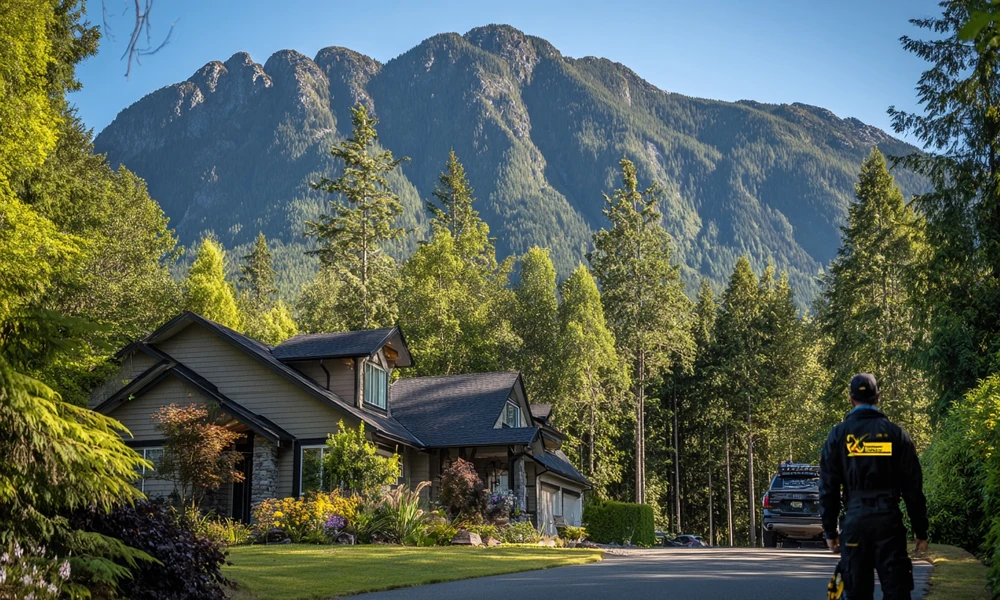
The brick-and-stucco bungalows that line Maple Ridge and spill down toward Brookside are some of the most sought-after homes in Tulsa. Built largely in the 1920s and ’30s during the city’s oil boom, they carry a craftsmanship that newer construction rarely matches. What they also carry, after nearly a century in the ground, is a set of vulnerabilities that make pest management its own particular challenge. It’s no accident that owners of these homes often turn to Tulsa pest control experts who understand period construction.
Original Wood Framing Attracts Termites
The heart pine and old-growth timber framing these bungalows have spent decades absorbing Oklahoma’s humidity, and softened wood is what subterranean termites seek. Tulsa is located in active termite territory. A colony can work through original sills, joists, and porch supports for years before the damage becomes visible. Because that timber is irreplaceable and central to the home’s structure, a late discovery in a Maple Ridge bungalow costs a lot to remedy. Mud tubes climbing a foundation wall and a spring scatter of shed swarmer wings are the warning signs worth watching for.
Raised Foundations Create a Hidden Corridor
Many of these older homes sit on brick piers or raised foundations, leaving a shadowed crawlspace beneath the floor. That space kept early houses cooler before central air, but it also gives pests a sheltered route into the structure. Common trouble spots underneath a bungalow include:
- Damp, cool soil that draws termites toward the wood above.
- Gaps between aging brick piers where rodents slip through.
- Poor ventilation that lets humidity settle against floor joists.
- Standing water after Tulsa’s heavy spring storms, feeding mosquito breeding.
A crawlspace calls for inspection and treatment methods a slab never requires, and it’s the first place an experienced technician looks in an older home.
Decades of Settling Open New Gaps
A house approaching its hundredth year has shifted, settled, and been patched countless times. The result is a patchwork of small openings around window frames, chimney flashing, plaster cracks, and the seams where sunrooms or additions meet the original walls. Each is a potential entry point, and there are typically more of them than an owner would guess. Rodents need a gap not wider than a dime, and a Brookside bungalow usually offers several that have gone unnoticed for years. Sealing an older home takes patience and an eye trained to find the openings a quick pass would miss.
Brown Recluse Favor the Quiet Spaces
Oklahoma is brown recluse country, and the undisturbed corners of an older home suit the spider perfectly. Bungalow basements, attics, and the backs of built-in cabinets provide exactly the still, dim conditions it prefers. These spiders aren’t aggressive, but their presence in living space is worth taking seriously. Keeping storage boxes sealed and off the floor, reducing clutter in low-traffic areas, and shaking out anything pulled from long-term storage all reduce the odds of an unwelcome encounter.
A Preservation-Minded Approach Matters
The wrong pest treatment can harm these homes as surely as the pests themselves. Drilling into original hardwood or applying harsh chemicals near antique plaster risks the very details that make a bungalow valuable. Palisade Pest Control works with a lighter, more deliberate touch, choosing access points and materials with the structure’s preservation in mind. That respect for the house itself is what sets thoughtful pest management apart from a routine spray-and-go visit. Here are habits to keep an older Tulsa bungalow well defended:
- Address crawlspace and basement moisture before it turns chronic.
- Seal foundation cracks and gaps around aging utility lines.
- Keep shrubs and tree limbs trimmed back from the walls and roof.
- Schedule regular termite inspections rather than waiting for signs.
The bungalows of Maple Ridge and Brookside have stood for the better part of a century, and with attentive care built around their specific weak points, they’ll stand pest-free for many more. Protecting that history is part of owning a piece of it.